INDEPENDENT THIRD-PARTY VERIFICATION
Remediation Complete? Verify the Results.
Schedule independent post-remediation verification and mold clearance testing before reconstruction begins.

(339) 227-0388
We provide independent, third-party post-remediation verification (PRV) and mold clearance testing to evaluate conditions following professional mold remediation. Our inspections include visual assessments, moisture evaluation, and laboratory-supported air and surface sampling when appropriate to identify potential residual mold contamination. Before containment is removed or reconstruction begins, verify that remediation work has been properly completed. Serving residential and commercial properties throughout Massachusetts and New Hampshire.
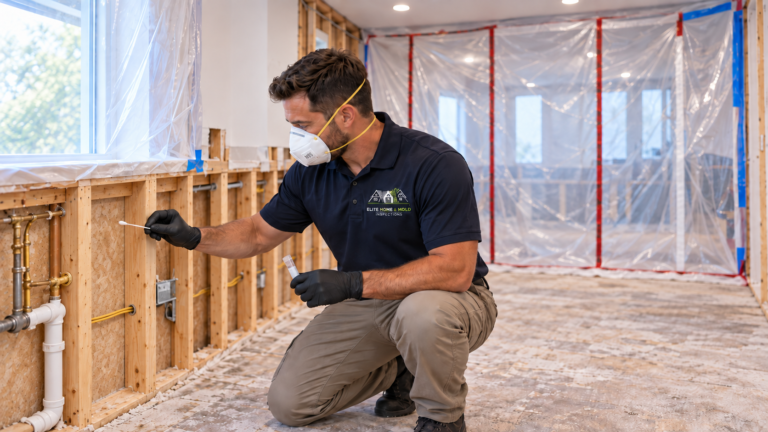
We evaluate previously remediated areas for remaining visible mold, residual contamination, and conditions that may indicate incomplete remediation. Copy
Indoor air and surface samples are collected when appropriate and submitted for laboratory analysis to help assess conditions following mold removal. Copy
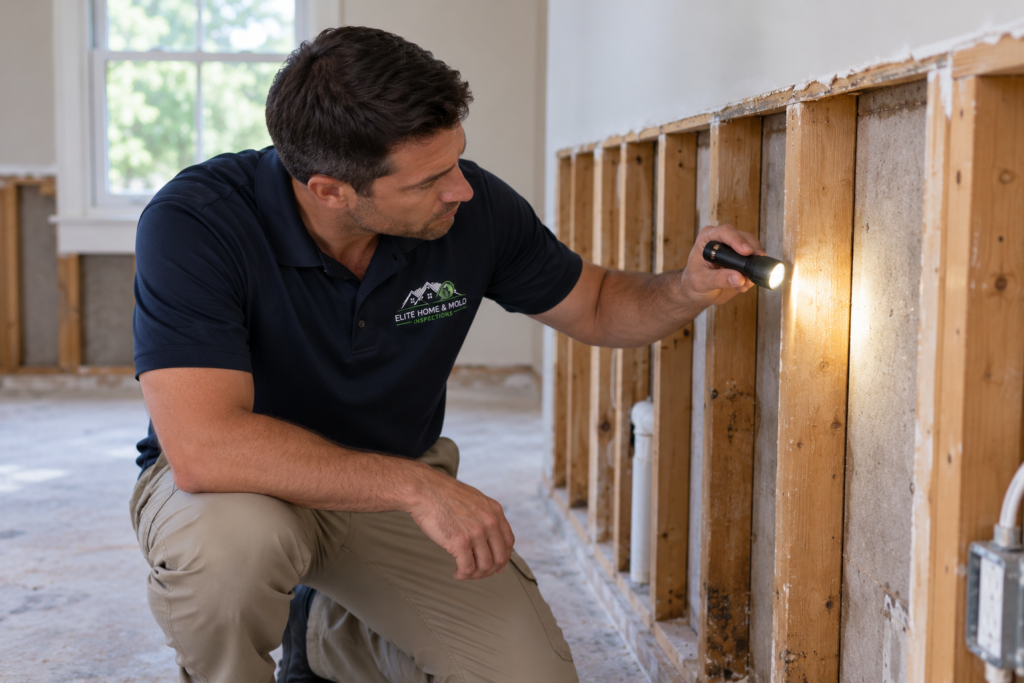
We assess accessible moisture conditions and potential airborne mold contamination, helping identify concerns that could contribute to continued mold growth or cross-contamination. Copy
We provide written findings and laboratory result interpretation. Because we do not perform remediation, our verification remains independent of the company responsible for the cleanup. Copy
Complete the form below and we will contact you shortly to confirm pricing, availability, and scheduling.
Post-remediation verification (PRV), commonly referred to as mold clearance testing, is an independent assessment performed after professional mold remediation to evaluate whether the affected area has been properly cleaned and whether conditions are consistent with the established remediation objectives.
Even after visible mold has been removed, residual mold spores, contaminated dust, or unresolved moisture conditions may remain. Professional third-party clearance testing provides an additional layer of evaluation before containment is removed, reconstruction begins, or the affected area is returned to normal use.
Evaluation of accessible remediated surfaces for remaining visible mold growth, debris, dust, and conditions that may indicate incomplete cleaning.
Assessment of accessible building materials and moisture conditions to help determine whether the original water intrusion or moisture concern has been adequately addressed.
Air sampling and surface testing, when appropriate, help evaluate potential residual mold contamination and conditions following remediation.
Collected samples are submitted for laboratory analysis, with results interpreted in the context of the inspection findings and applicable clearance criteria.
Evaluation of accessible conditions that may indicate mold spores or contaminated dust migrated beyond the original remediation work area.
Receive documentation of observed conditions, testing results, and whether additional corrective work or further evaluation may be recommended.
A visually clean area does not necessarily mean all residual contamination has been addressed. Independent post-remediation verification helps identify remaining concerns before walls, ceilings, flooring, or other building materials are reinstalled. We provide third-party mold clearance inspections throughout Massachusetts and New Hampshire and do not perform mold remediation.

Posted on Google
 Mike M
Trustindex verifies that the original source of the review is Google.
Paul the owner was very detailed in his inspection process. I would 100% recommend themPosted on Google Susan LydonEvan was very easy to work with and clearly possesses a wealth of knowledge about home maintenance as well as potential issues that can arise!Posted on Google
 janet bejtlichExcellent experience with Elite Home and Mold inspection service. Abe was professional, extremely knowledgeable, and very informative throughout the entire process. He took the time to explain everything clearly and answered all of our questions with patience and honesty. We left feeling much more informed and at ease. Thank you! Highly recommend!Posted on Google
 Andrew HuynhEvan is a great guy. Was patient with my questions. Was very thorough with the inspection, explanations, and testing. He made sure I understand what was going on and know the potential consequences that could result. Very quick and efficient with time.Posted on Google
 Chris UnisEvan came by my house today. He was personable and took his time answering all my questions. He was knowledgeable, and we look forward to working with them to improve the air quality in my house.Posted on Google
 Julie ClarkGreat experience and super helpful!
After investing in professional mold remediation, you deserve an independent assessment of the completed work. While the remediation contractor is responsible for removing affected materials and cleaning the work area, a separate third-party inspection company can evaluate the results without being involved in the cleanup.
Our independent post-remediation verification services provide homeowners, property managers, and commercial property owners with objective inspection findings and laboratory-supported mold testing when appropriate.
We do not perform mold remediation. Our third-party clearance inspections are independent of the contractor responsible for completing the cleanup.
A cleaned surface does not necessarily indicate that all contamination has been addressed. We evaluate accessible conditions for remaining mold, residual dust, and moisture concerns.
Professional air sampling, when appropriate, helps evaluate airborne mold conditions following remediation and identify potential residual contamination.
Receive documented inspection observations, laboratory results when sampling is performed, and an explanation of whether additional corrective work may be necessary.
Once drywall, insulation, flooring, and other building materials are reinstalled, previously remediated surfaces may no longer be accessible for inspection. Scheduling third-party mold clearance testing before reconstruction helps identify remaining concerns while corrective work can still be performed.
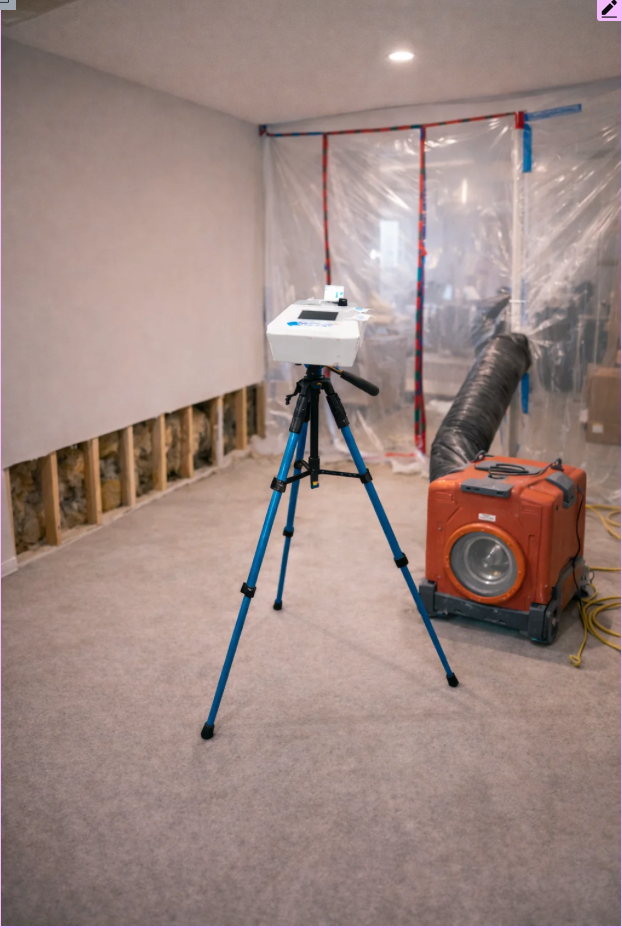
Yes. Even after affected building materials have been removed and visible mold growth has been addressed, airborne mold spores and contaminated dust may remain inside a property. Demolition, removal of mold-damaged materials, and improper cleaning practices can release particles into the indoor environment.
Without effective containment, HEPA filtration, and detailed cleaning, contamination may spread beyond the original remediation area. Independent post-remediation verification and indoor air quality testing help evaluate whether additional cleaning or corrective work may be necessary.
Disturbing mold-contaminated materials during demolition can release spores and fragments into the air. Improper containment or inadequate filtration may allow particles to remain airborne or migrate into adjacent areas.
Mold particles can settle on floors, framing, horizontal surfaces, and other building materials. Incomplete HEPA vacuuming or detailed cleaning may leave residual contamination behind.
Inadequate containment or improper handling of contaminated materials can allow mold spores and dust to spread from the remediation work area into previously unaffected living spaces.
If the original water intrusion, humidity, condensation, or plumbing concern has not been corrected, conditions favorable to future mold growth may remain even after existing contamination has been removed.
A remediation area may appear clean while airborne mold spores, settled contamination, or concealed moisture concerns remain. Our independent third-party mold clearance inspections combine visual assessment, moisture evaluation, and laboratory-supported air or surface sampling when appropriate to help evaluate post-remediation conditions before reconstruction or normal use.
Our post-remediation verification process evaluates accessible conditions following mold removal to help determine whether remediation objectives have been met. Each inspection considers the original moisture concern, the completed remediation work, visible conditions, and laboratory findings when sampling is performed.
We review available information about the original mold concern, affected areas, remediation procedures, and the work performed to establish the appropriate verification approach.
Accessible remediated surfaces are evaluated for remaining visible mold growth, dust, debris, and indications that additional cleaning or corrective work may be necessary.
We assess accessible building materials and relevant moisture conditions to help determine whether water intrusion, elevated humidity, or other contributing concerns remain.
When appropriate, indoor air and surface samples are collected to evaluate potential residual contamination. Sampling locations are selected based on the remediation scope and inspection findings.
Collected samples are submitted for laboratory analysis. Results are interpreted alongside visual observations, moisture findings, and applicable project-specific clearance criteria.
Receive documented inspection findings, laboratory results when applicable, and an explanation of whether the assessed conditions meet the established clearance criteria or require additional attention.
Post-remediation clearance inspections are generally performed after remediation and final cleaning are completed, but before containment is removed or affected building materials are concealed by reconstruction. This allows accessible surfaces to be evaluated and remaining concerns to be addressed before the area is returned to normal use.
Schedule independent post-remediation verification and mold clearance testing before reconstruction begins.
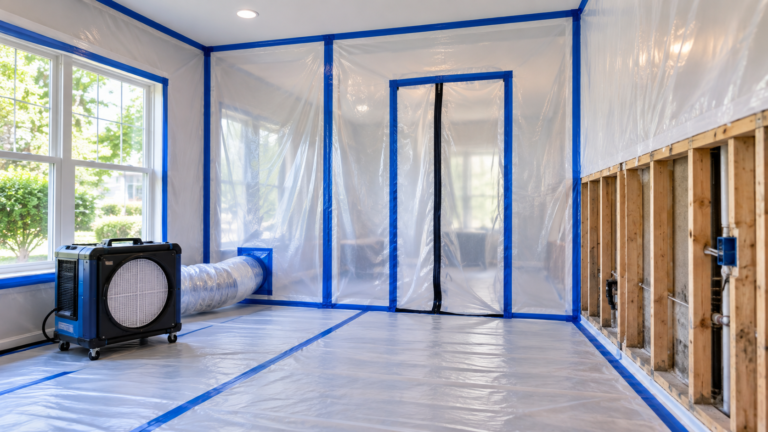
The ideal time to schedule independent post-remediation verification is after the remediation contractor has completed mold removal and final cleaning, but before containment is dismantled or previously affected building materials are covered by reconstruction.
This allows our inspector to evaluate accessible surfaces, assess moisture conditions, and perform appropriate mold clearance testing while the work area remains available for additional cleaning or corrective work if necessary.
The remediation contractor completes the agreed scope of work, including removal or treatment of affected materials and correction of identified moisture concerns.
The work area receives appropriate detailed cleaning, including HEPA vacuuming and removal of residual dust and debris associated with remediation activities.
We perform a third-party visual assessment, moisture evaluation, and air or surface sampling when appropriate to assess post-remediation conditions.
Inspection findings and laboratory results are reviewed against applicable project-specific clearance criteria. Any remaining concerns can be addressed before moving forward.
Once the verification findings support proceeding, the remediation contractor can coordinate containment removal and the property owner can plan reconstruction.
Once drywall, insulation, flooring, or other materials are reinstalled, previously affected surfaces may become inaccessible. Scheduling third-party mold clearance testing before reconstruction provides an opportunity to identify remaining concerns while corrective work can still be performed without unnecessary demolition.
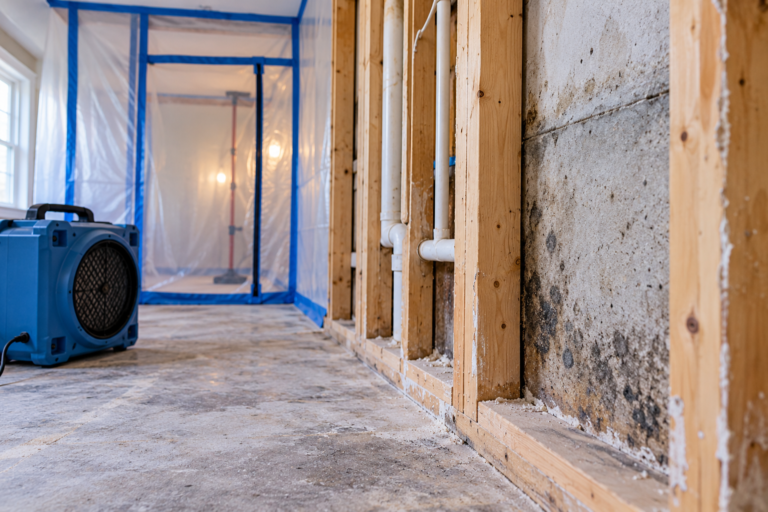
Not every mold remediation project meets the established clearance criteria on the first inspection. Independent post-remediation verification may identify remaining visible mold, residual dust, elevated moisture, or laboratory findings that warrant additional evaluation or corrective cleaning.
When concerns are identified, our findings help the property owner and remediation contractor understand what requires additional attention before the affected area is returned to normal use.
Previously affected building materials may still exhibit visible growth or conditions indicating that the original remediation scope was not fully completed.
Incomplete detailed cleaning may leave mold-contaminated dust or debris on framing, floors, and other accessible surfaces within the remediation area.
Laboratory findings may indicate residual contamination or conditions inconsistent with the established project-specific clearance criteria.
Remaining water intrusion, elevated material moisture, or humidity concerns may require correction to reduce the likelihood of recurring mold growth.
Review the Inspection Findings We document the observed conditions and explain the laboratory results when sampling has been performed.
Additional Corrective Work The remediation contractor can address identified concerns, perform additional cleaning, or correct remaining moisture conditions.
Independent Clearance Retesting Additional post-remediation verification can be performed, when appropriate, to evaluate conditions following corrective work.
A clearance inspection is not simply about obtaining a passing result. It provides an opportunity to identify incomplete remediation, remaining contamination, or unresolved moisture conditions before reconstruction conceals affected surfaces. Our independent findings help support informed decisions about whether additional work or verification is appropriate.
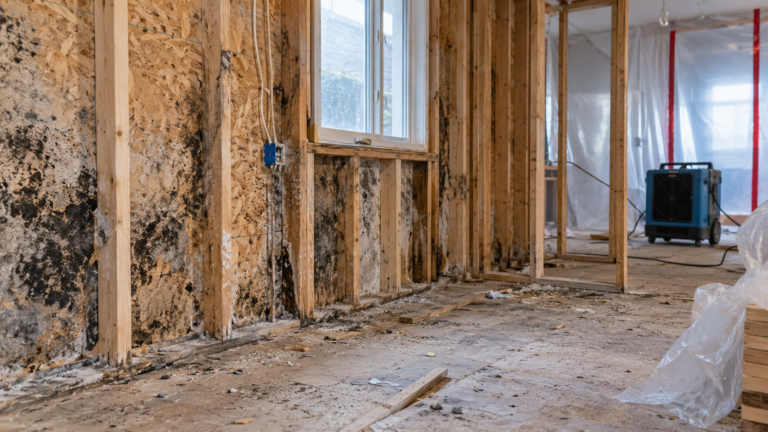
Mold remediation can involve many different areas of a property, from damp basements and poorly ventilated attics to water-damaged walls and concealed building cavities. Regardless of where mold removal takes place, independent post-remediation verification helps evaluate whether the affected area has been adequately cleaned and whether additional corrective work may be necessary.
We provide third-party mold clearance inspections and testing following remediation in homes, rental properties, multi-unit buildings, and commercial spaces throughout Massachusetts and New Hampshire.
Independent clearance inspections following basement mold removal, foundation water intrusion, flooding, or moisture damage to finished basement materials.
Post-remediation evaluation of accessible roof sheathing, framing, and attic conditions following mold removal associated with condensation, ventilation problems, or roof leaks.
Verification following crawlspace mold removal, moisture correction, or encapsulation work involving exposed framing, subflooring, and below-grade conditions.
Clearance inspections following removal of mold-damaged drywall, insulation, cabinetry, or other materials affected by plumbing leaks and concealed moisture.
Mold clearance testing following flooding, burst pipes, roof leaks, appliance failures, or other water damage events requiring professional remediation.
Independent post-remediation verification for offices, rental units, shared building areas, and commercial properties following mold remediation.
Whether remediation involved a single bathroom wall or an entire basement, previously affected surfaces should be evaluated before reconstruction makes them inaccessible. Our independent mold clearance testing helps property owners understand the condition of the remediated area before moving forward with repairs.
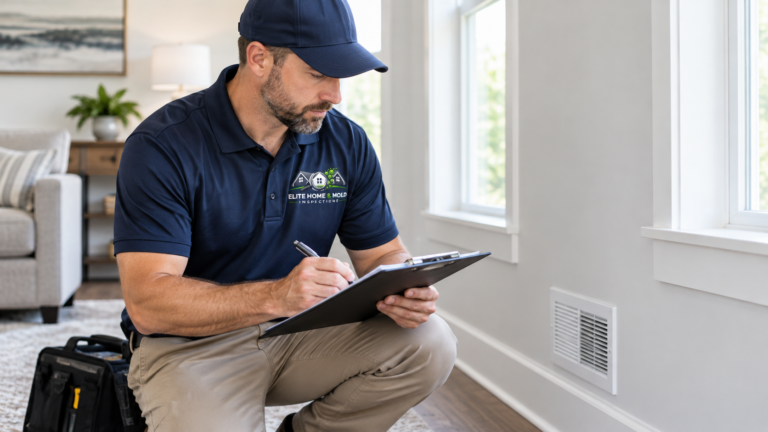
Choosing the right company for post-remediation verification is an important part of completing a mold remediation project. Our independent inspections help property owners understand the condition of previously affected areas through professional evaluation, appropriate testing, and clear documentation.
We do not perform mold remediation. Our clearance findings are independent of the contractor responsible for the cleanup, helping provide an objective assessment of the completed work.
Our team holds MICRO and NORMI Certified Mold Inspector credentials, supporting professional evaluation of moisture concerns, mold conditions, and remediation work.
When appropriate, we collect indoor air and surface samples for laboratory analysis to help evaluate potential residual mold contamination following remediation.
We consider moisture intrusion, ventilation, humidity, and building conditions that may contribute to recurring mold problems rather than evaluating visible surfaces alone.
Our reports document inspection observations, testing results when applicable, and identified concerns to help guide decisions about additional cleaning, corrective work, or reconstruction.
We provide post-remediation verification for homes, rental properties, multi-unit buildings, and commercial spaces throughout Massachusetts and New Hampshire.
Depending on the property and the original moisture concern, additional services may be appropriate to evaluate conditions beyond the remediation work area.
Our role is to provide independent post-remediation verification, not remediation services. We evaluate accessible conditions, interpret laboratory findings when sampling is performed, and provide documentation to help determine whether additional corrective work may be necessary before reconstruction.
We provide independent third-party post-remediation verification (PRV), mold clearance inspections, and professional mold testing for residential and commercial properties throughout Massachusetts and New Hampshire. Our services include visual clearance assessments, moisture evaluation, indoor air and surface sampling when appropriate, laboratory analysis, and written verification findings following professional mold remediation.
Have questions about post-remediation verification (PRV) after professional mold removal? We answer common questions about independent mold clearance inspections, third-party mold testing, indoor air quality, airborne mold spores, surface sampling, laboratory results, pricing, and what happens if a property does not meet clearance criteria. Whether you've recently completed basement, attic, crawlspace, or water damage remediation, our team provides independent post-remediation verification throughout Massachusetts and New Hampshire.
Post-remediation verification (PRV), also known as mold clearance testing, is an independent inspection performed after mold remediation to evaluate whether the affected area has been properly cleaned. The process may include a visual inspection, moisture assessment, indoor air sampling, surface testing, and laboratory analysis. PRV helps determine whether the assessed conditions meet established clearance criteria before reconstruction or normal use.
Mold clearance testing is strongly recommended following professional mold remediation, particularly when significant contamination, water damage, or demolition was involved. Removing visible mold does not necessarily mean all residual contamination has been eliminated. Independent testing helps evaluate the remediated area and identify conditions that may require additional attention.
An independent third-party inspection company provides an assessment separate from the contractor responsible for performing the remediation. This helps avoid potential conflicts of interest and provides property owners with objective findings. We do not perform mold remediation, allowing us to independently evaluate the completed work and provide laboratory-supported results when appropriate.
Yes. Mold spores, fragments, and contaminated dust can become airborne during demolition, material removal, and cleaning. If containment, filtration, or cleaning procedures are inadequate, particles may remain in the indoor environment or migrate into unaffected areas. Post-remediation air testing can provide additional information about airborne mold conditions following remediation.
A post-remediation inspection typically includes a visual assessment of accessible remediated surfaces, evaluation of moisture conditions, and review of the completed remediation work. Indoor air sampling or surface testing may also be performed when appropriate. Our findings are documented in a written report, with laboratory results interpreted in the context of the inspection and applicable clearance criteria.
Mold clearance testing should generally be performed after remediation and final detailed cleaning are completed, but before containment is removed or reconstruction begins. The appropriate timing depends on the remediation procedures, environmental conditions, and sampling methods. We recommend coordinating the inspection with your remediation contractor so the work area remains accessible for evaluation.
Generally, yes. When containment has been established for mold remediation, it should typically remain in place until post-remediation verification has been completed and the findings support proceeding. Premature containment removal may allow residual contamination to spread into previously unaffected areas. The appropriate sequence should be coordinated with the remediation contractor and the independent inspector.
Yes. When cross-contamination is suspected, additional indoor air or surface samples may be collected from areas outside the original remediation zone. These samples can help evaluate whether mold spores or contaminated dust may have migrated into adjacent rooms. Sampling locations are determined based on the remediation scope, inspection observations, and property conditions.
If the inspection identifies remaining visible mold, residual dust, elevated moisture, or laboratory findings inconsistent with established clearance criteria, additional corrective work may be recommended. The remediation contractor can address the identified concerns, followed by independent clearance retesting when appropriate. Our report documents the findings to help guide the next steps.
Air sampling is commonly used during mold clearance testing, but it is not automatically required for every project. Appropriate testing depends on the remediation scope, original contamination, inspection findings, and established clearance criteria. Visual assessment and moisture evaluation remain important components of verification, even when laboratory testing is performed.
Mold clearance testing evaluates conditions following remediation, typically through visual inspection, moisture assessment, and appropriate air or surface sampling.
ERMI (Environmental Relative Moldiness Index) uses DNA-based laboratory analysis of settled dust to evaluate specific mold species and calculate an ERMI score. ERMI was developed as a research tool and is not a standardized pass-or-fail method for routine post-remediation clearance.
We offer both services, with the appropriate testing method determined by the property’s conditions and assessment objectives.
The cost of post-remediation verification depends on the size of the affected area, scope of remediation, number of sampling locations, and laboratory testing required. Each property is evaluated individually to determine the appropriate inspection and testing approach.
Contact us for a personalized quote for independent mold clearance testing in Massachusetts or New Hampshire.
Standard laboratory results typically take 5–7 business days following payment and sample submission. Expedited laboratory processing may be available for projects requiring faster results.
Turnaround times depend on the laboratory and selected processing option. We recommend scheduling clearance testing in advance to avoid unnecessary reconstruction delays.
Yes. We provide written post-remediation verification findings documenting the accessible conditions evaluated during the inspection. When laboratory sampling is performed, the results are interpreted alongside visual observations and moisture findings.
The report identifies whether the assessed conditions meet established clearance criteria or whether additional evaluation or corrective work may be recommended.
The appropriate time to return depends on the remediation scope, remaining environmental conditions, and whether the affected area has met the established clearance criteria.
Independent post-remediation verification provides additional information about the condition of the remediated area. However, a clearance inspection does not guarantee that a property is completely free of mold or that an individual will not experience health effects.
If you have specific medical concerns, consult your healthcare provider.
Yes. We provide independent post-remediation verification, third-party mold clearance inspections, and professional mold testing throughout Massachusetts and New Hampshire.
Our services are available for residential and commercial properties, including homes, rental units, multi-unit buildings, and commercial spaces following professional mold remediation.
Schedule independent post-remediation verification (PRV) and professional mold clearance testing before containment is removed or reconstruction begins. Our third-party inspections evaluate previously affected areas for remaining mold contamination, moisture concerns, and indoor air quality conditions. Receive laboratory-supported testing when appropriate, clear findings, and independent documentation to help determine whether additional corrective work may be necessary.