
From Furniture to Flooring: Common Sources of Formaldehyde & VOCs Indoors
Learn where formaldehyde and volatile organic compounds can come from inside a home, including furniture, flooring, cabinetry, paints, adhesives, and other building materials.
Indoor air quality can be affected by far more than mold or excess moisture. Many everyday household products and building materials can release volatile organic compounds, or VOCs, into the air.
Formaldehyde is one of the better-known VOCs and may be present in furniture, flooring, cabinetry, paints, adhesives, insulation, and other materials found throughout a home.
For homeowners throughout Massachusetts and New Hampshire, understanding where these compounds may come from can be an important part of evaluating indoor air quality, especially after renovations, installation of new materials, or when persistent odors or other indoor air concerns are present.
What Are VOCs?
VOCs are chemicals that can evaporate into the air from certain solids and liquids. They may be released from both newly installed and existing products inside a home.
Some VOCs have noticeable odors, while others may be present without producing a strong smell.
Concentrations can vary depending on the material involved, ventilation, temperature, humidity, product age, and how much of the material is present.
Newly manufactured products often release higher levels initially, a process commonly referred to as off-gassing.
What Is Formaldehyde?
Formaldehyde is a specific VOC commonly associated with manufactured wood products, adhesives, resins, furniture, flooring, cabinetry, insulation, and certain household products.
It may be present in homes at low concentrations as part of normal indoor environments, but elevated levels can sometimes occur when several emitting materials are present or when ventilation is limited.
Common Sources of Formaldehyde and VOCs in Homes
Furniture
Particleboard, medium-density fiberboard, plywood, laminates, adhesives, finishes, and composite materials may release VOCs after manufacturing.
Flooring
Laminate flooring, engineered wood, vinyl products, carpeting, adhesives, underlayment, sealers, and finishes can all be possible VOC sources.
Cabinets & Built-Ins
Kitchen cabinets, bathroom vanities, shelving, closets, and other built-in products may contain manufactured wood and adhesives.
Paints & Finishes
Paint, polyurethane, stains, varnishes, primers, caulks, sealants, and similar products may release VOCs during and after application.
Construction Materials
Construction adhesives, flooring glue, wall coverings, insulation, sealants, and composite wood may contribute VOCs after installation.
Household Products
Cleaning products, fragrances, air fresheners, solvents, disinfectants, personal care products, and stored chemicals may also contribute VOCs.
Why New Construction and Renovations Can Affect Indoor Air Quality
A newly renovated home may contain multiple new sources at the same time, including flooring, cabinets, paint, trim, insulation, adhesives, furniture, and finishes.
Each individual source may contribute only part of the overall indoor VOC level, but together they may have a more noticeable effect.
Important: Odor alone cannot determine which VOCs are present or at what concentration. Laboratory testing provides measured data when a specific indoor air concern needs to be evaluated.
Can Humidity Affect Formaldehyde and VOC Emissions?
Indoor temperature and humidity can influence how certain materials release chemicals into the air.
Warmer conditions and elevated humidity may increase emissions from some products and building materials.
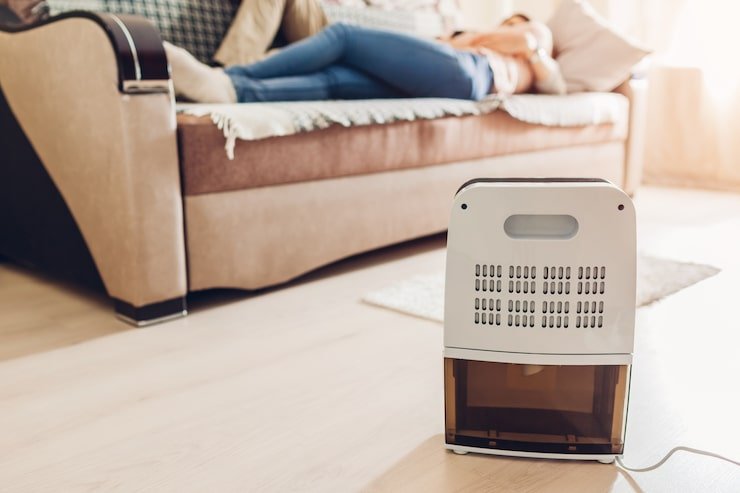
Maintaining appropriate indoor humidity can be helpful for overall building performance and comfort, but a dehumidifier does not identify which VOCs are present and should not be considered a substitute for testing.
When Should You Consider VOC or Formaldehyde Testing?
Testing may be useful when there are concerns involving:
- Persistent chemical or unusual odors
- Recent renovations or remodeling
- New flooring, cabinetry, or furniture
- Newly constructed homes
- Manufactured wood products
- Suspected formaldehyde exposure
- Ongoing indoor air quality concerns
Professional VOC and formaldehyde testing can provide laboratory data rather than relying solely on odors or visible conditions.
VOC Testing vs. Formaldehyde Testing
VOC Testing
A broader VOC analysis may evaluate a range of volatile compounds present in an indoor air sample.
Formaldehyde Testing
Formaldehyde testing is specifically designed to measure formaldehyde rather than serving as a general VOC analysis.
Why Odor Alone Is Not Enough
Odors can provide useful clues that something within the indoor environment has changed, but smell alone cannot identify a specific compound or determine its concentration.
Some materials may produce noticeable odors while others may release VOCs without a strong smell.
Laboratory-based air sampling provides measured information that can be evaluated alongside the building conditions and possible sources.
Indoor Air Quality Testing Can Look Beyond VOCs
VOC and formaldehyde concerns may be part of a broader indoor air quality investigation.
Depending on the conditions present, other evaluations may include mold, moisture, particles, allergens, or other indoor environmental concerns.
Learn more about our indoor air quality testing services in Massachusetts and New Hampshire.
VOC & Formaldehyde Testing in Massachusetts & New Hampshire
Elite Home & Mold Inspections provides independent VOC, formaldehyde, and indoor air quality testing throughout Massachusetts and New Hampshire.
Our evaluations are focused on identifying conditions and providing objective testing information based on the property and the specific concern.
Indoor air quality investigations may also include mold inspections , moisture evaluation, thermal imaging, and other testing when appropriate.
Elite is family-owned and operated with over 30 years of combined experience in the construction and environmental industries.
We do not perform remediation.
Related Indoor Environmental Services
Frequently Asked Questions About VOCs & Formaldehyde
Can formaldehyde come from furniture?
Yes. Some furniture contains composite wood, adhesives, resins, finishes, or other materials that may release formaldehyde or other VOCs.
Can flooring release VOCs?
Yes. Certain flooring materials, adhesives, underlayments, coatings, and finishes may release VOCs, particularly after installation.
Does opening windows help with VOCs?
Increased outdoor-air ventilation can sometimes reduce the concentration of indoor pollutants, but effectiveness depends on the source, building conditions, outdoor air, and the compounds involved.
Can you smell formaldehyde?
Formaldehyde may have a noticeable odor at certain concentrations, but odor alone cannot determine the actual concentration in the air.
How do you know if VOC levels are elevated?
Laboratory-based air sampling can provide measured data. Visual inspection and odor observations alone cannot determine specific VOC concentrations.
Is VOC testing the same as formaldehyde testing?
Not necessarily. A broader VOC analysis may evaluate multiple volatile compounds, while formaldehyde testing is specifically designed to measure formaldehyde.
Does Elite perform remediation?
No. Elite Home & Mold Inspections provides independent inspection, testing, and documentation. We do not perform remediation.
Concerned About VOCs or Formaldehyde in Your Home?
Schedule independent VOC, formaldehyde, or indoor air quality testing throughout Massachusetts and New Hampshire.