

How Asbestos Testing Works in Massachusetts
Understanding how asbestos testing works can help Massachusetts homeowners, property managers, and contractors know what to expect when older building materials need to be evaluated before renovation, demolition, repair, or other disturbance.
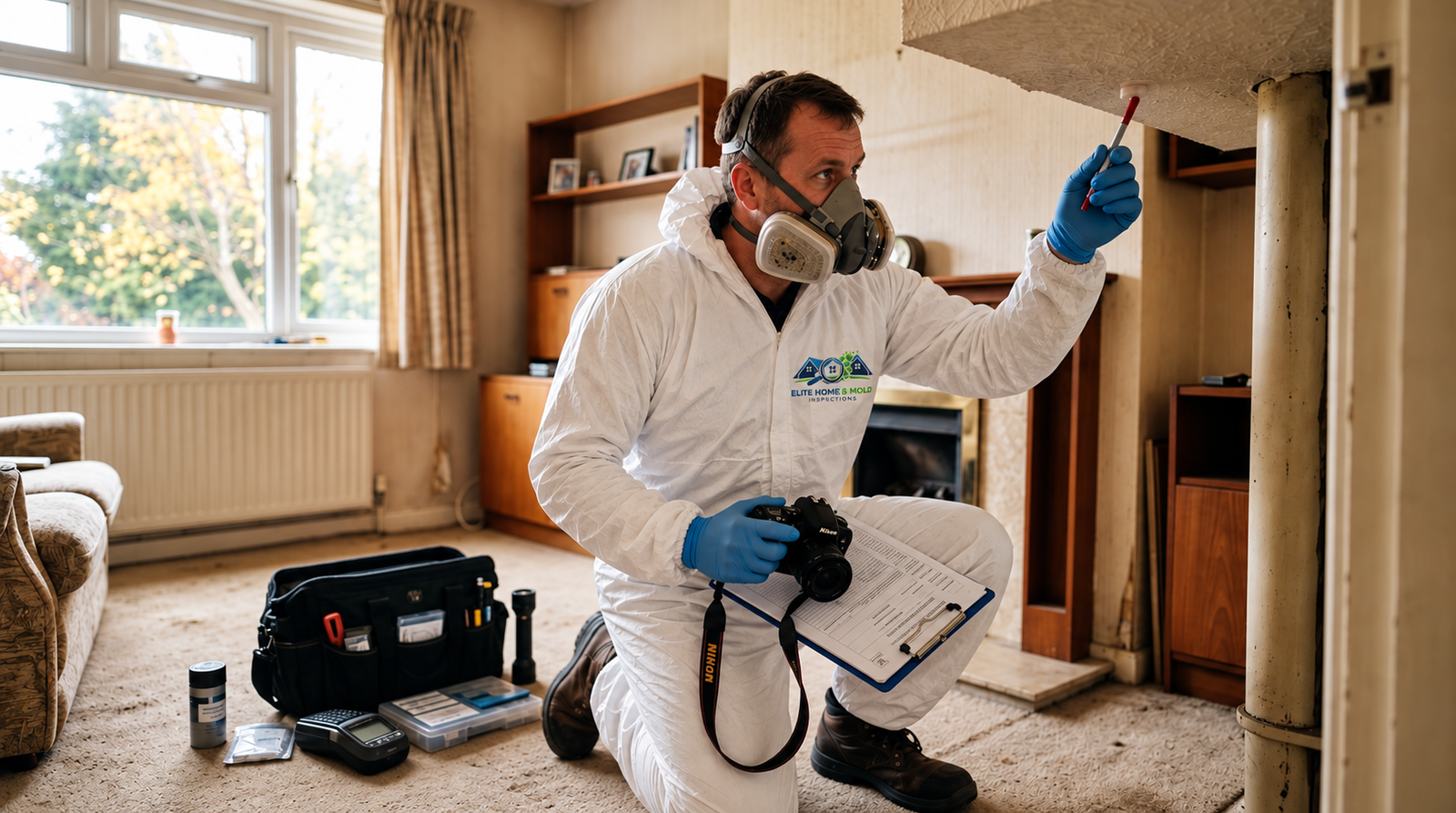
Asbestos testing is used to determine whether specific building materials contain asbestos. The process typically involves identifying suspect materials, collecting representative samples where appropriate, and submitting those samples to a qualified laboratory for analysis.
Many building materials cannot be identified as asbestos-containing based on appearance alone. Materials that look similar may have very different compositions, and confirmation generally requires laboratory analysis of a properly collected sample.
For homeowners, property managers, buyers, and contractors, asbestos testing can provide information about specific materials before renovation, demolition, repair work, or other activities that may disturb them.
Quick answer: How asbestos testing works depends on the materials present and the project scope. A qualified asbestos inspector evaluates accessible suspect materials, determines what should be sampled, collects representative material samples, and submits them to a laboratory for analysis.
How Asbestos Testing Works in Massachusetts
Asbestos testing is the process of collecting samples from building materials that may contain asbestos and having those samples analyzed by a laboratory.
The goal is to determine whether asbestos is present in the sampled material. The testing process does not automatically determine the composition or condition of every material in a building, and laboratory results apply to the materials and locations represented by the samples collected.
In Massachusetts, asbestos inspection and sampling requirements can depend on the property and planned work. Property owners planning renovation or demolition should also be aware of applicable Massachusetts asbestos requirements and regulations.
Important: Visual appearance alone is not a reliable way to confirm whether a building material contains asbestos. Laboratory analysis is used when confirmation is needed.
What Happens During an Asbestos Inspection?
An asbestos inspection or survey typically begins with a review of the areas and materials included in the requested scope.
Depending on the project, the inspector may evaluate accessible materials such as:
The exact materials inspected or sampled depend on the property, the work being planned, accessibility, and the scope of the inspection.
How Are Asbestos Samples Collected?
When sampling is appropriate, a small representative portion of the material is collected for laboratory analysis.
Sampling locations are selected based on the material being evaluated and the purpose of the inspection. More than one sample may be needed when similar-looking materials are present in different areas, when materials are not uniform, or when the scope includes multiple building components.
The number and location of samples should be based on the actual materials present rather than assuming that one sample represents every similar material throughout a property.
What Happens to the Samples After Collection?
Collected samples are labeled and submitted to a laboratory for analysis.
The laboratory evaluates the sampled material and reports the analytical result. The report identifies the sample and provides the laboratory finding for that specific material.
Laboratory results should be interpreted in the context of where the sample was collected and what material it represents.
Can You Tell If a Material Contains Asbestos by Looking at It?
In most cases, appearance alone is not enough to confirm whether a material contains asbestos.
Two materials may look nearly identical while having different compositions. Building age, product type, and appearance can help identify materials that may warrant closer evaluation, but they do not replace laboratory testing.
What Building Materials May Be Tested?
Depending on the property and project, materials that may be evaluated can include:
- Floor tile
- Flooring adhesives or mastics
- Sheet flooring
- Textured ceiling materials
- Plaster and related wall materials
- Joint compounds
- Pipe insulation
- Mechanical insulation
- Some roofing materials
- Some siding products
- Cement-based products
- Other suspect building materials within the project scope
This is not an exhaustive list, and the presence of any one of these materials does not mean it contains asbestos.
When Might Asbestos Testing Be Considered?
Property owners often request asbestos testing when there is uncertainty about a material that may be disturbed or altered.
Common situations include:
- Planning a renovation or remodeling project
- Removing flooring, ceilings, walls, or insulation
- Repairing areas affected by water damage
- Evaluating older building materials before disturbance
- Planning demolition or selective demolition work
- Documenting the composition of specific materials
- Purchasing or managing an older property where material identification is needed
Project requirements can vary. The appropriate inspection or sampling scope depends on the building, the materials involved, the work being planned, and any applicable project requirements. A qualified asbestos inspector can help define the scope of the evaluation.
Asbestos Testing Before Renovation or Demolition
Renovation, demolition, and repair work can disturb materials that were previously intact or concealed.
When suspect materials are within the planned work area, asbestos testing or a broader asbestos survey may be appropriate before those materials are disturbed.
The required scope can depend on the type of building, the materials present, the extent of the project, and applicable regulatory requirements.
Testing before work begins can help establish which sampled materials contain asbestos and which sampled materials did not have asbestos detected by the laboratory.
Asbestos Testing vs. an Asbestos Survey
These terms are sometimes used interchangeably, but the scope can be different.
Asbestos testing may refer to sampling one or more specific materials when there is a targeted concern.
An asbestos survey generally refers to a broader inspection of suspect materials within a defined area or project scope.
The correct approach depends on what information is needed and what work is being planned.
Learn more about our asbestos testing and asbestos survey services in Massachusetts and New Hampshire.
Does One Negative Sample Mean the Whole Building Is Asbestos-Free?
No. A laboratory result applies to the sample that was submitted and the material it represents.
A building may contain many different materials installed at different times. A negative result from one flooring material, for example, does not establish the composition of unrelated wall, ceiling, insulation, or roofing materials elsewhere in the property.
This is why the inspection scope and sample locations matter.
What Should Homeowners Expect From the Process?
A professional asbestos inspection should be based on the areas and materials that actually need to be evaluated.
The process may include:
How Long Does Asbestos Testing Take?
Turnaround time can vary depending on the number of samples, laboratory workload, and the service level requested.
At Elite Home & Mold Inspections, standard asbestos laboratory results are typically available within 2–4 business days. Expedited laboratory options may also be available when faster results are needed.
What Are the Limitations of Asbestos Testing?
Asbestos testing provides information about the specific materials represented by the samples collected.
Testing does not establish that an entire property is asbestos-free unless the inspection and sampling scope was specifically designed to evaluate all relevant suspect materials within that defined scope.
Other limitations can include:
- Materials that are concealed or inaccessible
- Materials outside the requested inspection area
- Different material layers installed at different times
- Similar-looking materials with different compositions
- Areas that cannot be safely accessed or sampled
This is why a clearly defined inspection scope is important.
Why an Independent Inspection Matters
An independent asbestos inspection separates the testing process from any later work that may be recommended based on the findings.
Elite Home & Mold Inspections provides inspection, sampling, laboratory coordination, and documentation services. We do not perform asbestos abatement.
This keeps the inspection focused on identifying and documenting the materials included in the requested scope.
Asbestos Testing & Surveys in Massachusetts & New Hampshire
Elite Home & Mold Inspections provides asbestos testing and asbestos survey services for residential and commercial properties throughout Massachusetts and New Hampshire.
Our inspections are based on the specific property, accessible materials, and requested scope. Samples are submitted for laboratory analysis when confirmation is needed.
With over 30 years of combined experience in the construction and environmental industries, our work focuses on careful inspection, documentation, and independent testing.
Learn more about our asbestos testing and asbestos survey services.
You can also explore our broader environmental testing services in Massachusetts and New Hampshire.
Frequently Asked Questions About Asbestos Testing
How does asbestos testing work?
How asbestos testing works depends on the materials and project scope. A qualified inspector evaluates accessible suspect materials, collects representative samples where appropriate, and submits those samples to a laboratory for analysis.
Can asbestos be identified visually?
No reliable visual determination can confirm asbestos content. Laboratory testing is used when confirmation is needed.
Does every older material contain asbestos?
No. Building age or material type may help identify materials that warrant evaluation, but they do not determine asbestos content.
How many samples are needed?
The number of samples depends on the materials present, how uniform they are, the areas included in the scope, and the purpose of the inspection.
Can one sample represent an entire house?
Usually not. Different materials and different installation areas may have different compositions. Results apply to the materials represented by the submitted samples.
Should asbestos testing be completed before renovation?
Testing may be appropriate when materials of uncertain composition are expected to be disturbed. The appropriate scope depends on the project, the building materials involved, and any applicable requirements.
How long do asbestos test results take?
Standard asbestos laboratory results are typically available within 2–4 business days. Expedited laboratory options may be available depending on the project and laboratory schedule.
Does Elite perform asbestos abatement?
No. Elite Home & Mold Inspections provides asbestos inspection, sampling, surveys, laboratory coordination, and documentation. We do not perform asbestos abatement.
Need Asbestos Testing Before a Renovation or Project?
Elite Home & Mold Inspections provides independent asbestos inspections, sampling, and surveys throughout Massachusetts and New Hampshire. We evaluate accessible materials within the requested scope and submit samples for laboratory analysis when confirmation is needed.
Serving Massachusetts & New Hampshire