
Mold Inspection Reading MA for Homes & Residential Properties
Elite Home & Mold Inspections provides independent mold inspection and mold testing throughout Reading, Massachusetts, for homeowners, buyers, sellers, landlords, and property managers. We assess visible mold, musty odors, moisture intrusion, basement and attic conditions, and accessible building components associated with water damage. Our construction and environmental industry experience helps us evaluate moisture concerns beyond visible staining.
Reading Homes & Residential Properties
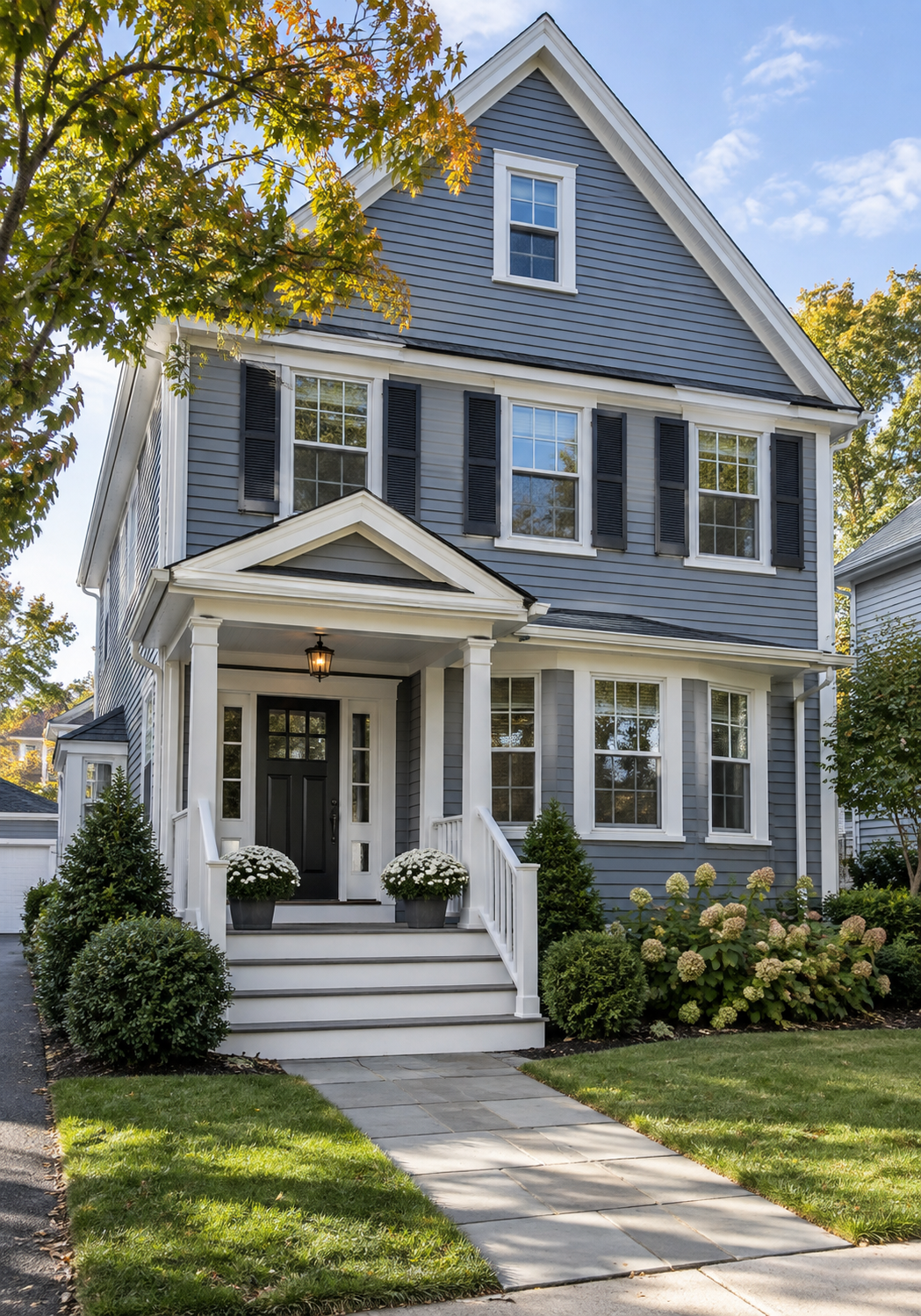
We inspect historic New England homes, Colonial-style residences, Cape Cod houses, ranches, renovated properties, condominiums, and homes with finished basements throughout Reading. Each inspection considers accessible building conditions, visible mold, and moisture-related concerns.
Mold Testing & Laboratory Analysis
Targeted air or surface mold sampling may be performed when appropriate. Collected samples are submitted for professional laboratory analysis to provide additional information about mold spore types and sampled conditions. Results are interpreted alongside inspection findings.
Moisture & Water Intrusion Evaluation
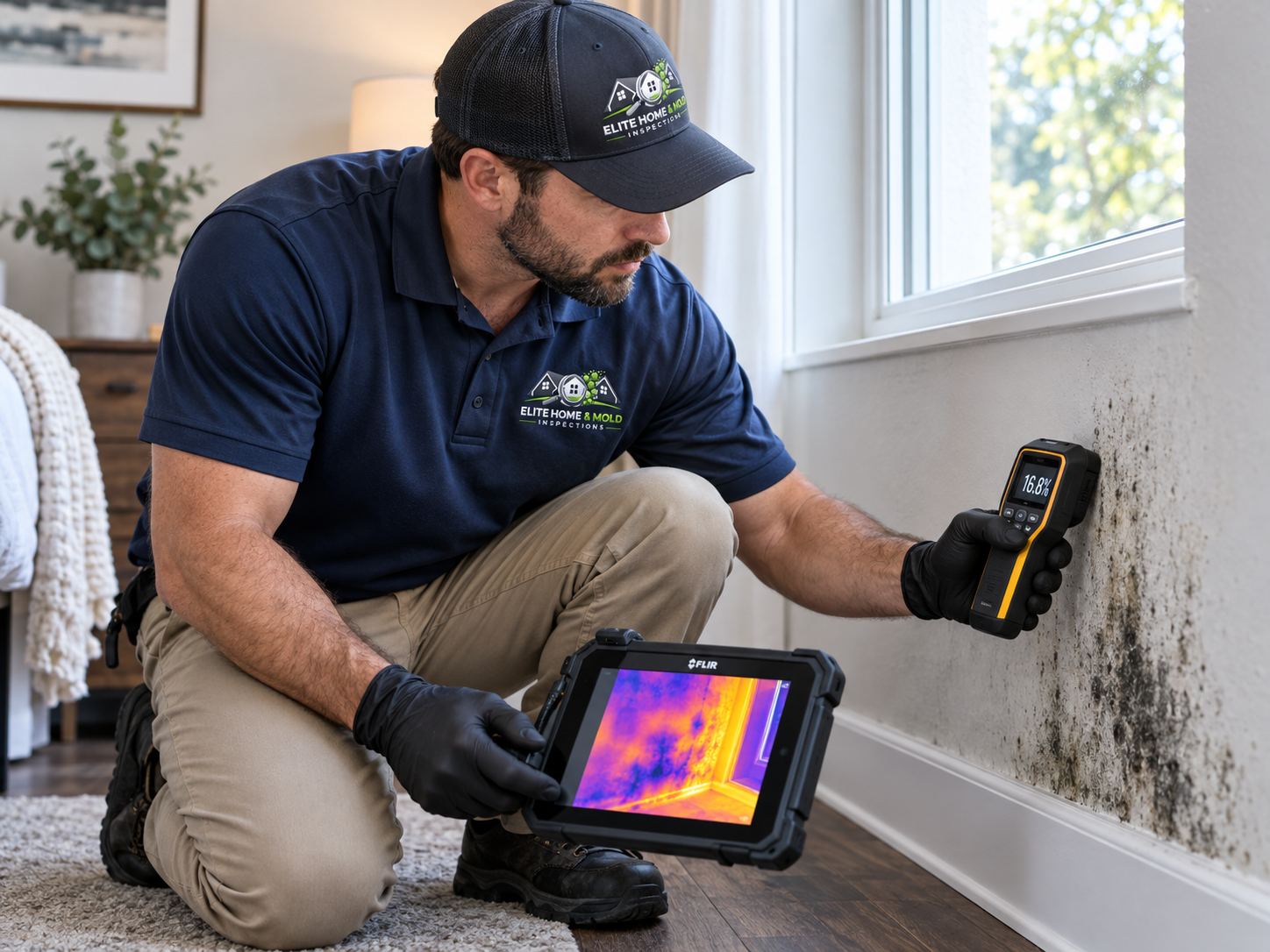
We evaluate accessible areas for moisture concerns associated with foundation seepage, basement dampness, roof and plumbing leaks, attic condensation, exterior drainage, and elevated indoor humidity. Professional moisture meters and thermal imaging are used when appropriate to assess areas of concern.
Clear Findings & Recommendations
Our inspections document observed mold and moisture conditions. When sampling is performed, laboratory results are interpreted alongside inspection observations, with recommendations based on conditions identified at the Reading property.
Elite Home & Mold Inspections does not perform mold remediation. We independently inspect residential properties, evaluate mold and moisture concerns, perform testing when appropriate, and provide objective documentation based on the conditions identified.
Mold & Moisture Risks in Reading Homes
Reading includes historic New England homes, Colonial-style residences, Cape Cod houses, ranches, renovated properties, and homes with finished basements. Moisture concerns may involve older stone or masonry foundations, basement seepage, roof and plumbing leaks, attic condensation, exterior drainage, and elevated indoor humidity. An independent mold inspection in Reading, MA can help evaluate accessible building conditions when musty odors, staining, previous water damage, or suspected mold growth are present.
Basement & Foundation Moisture
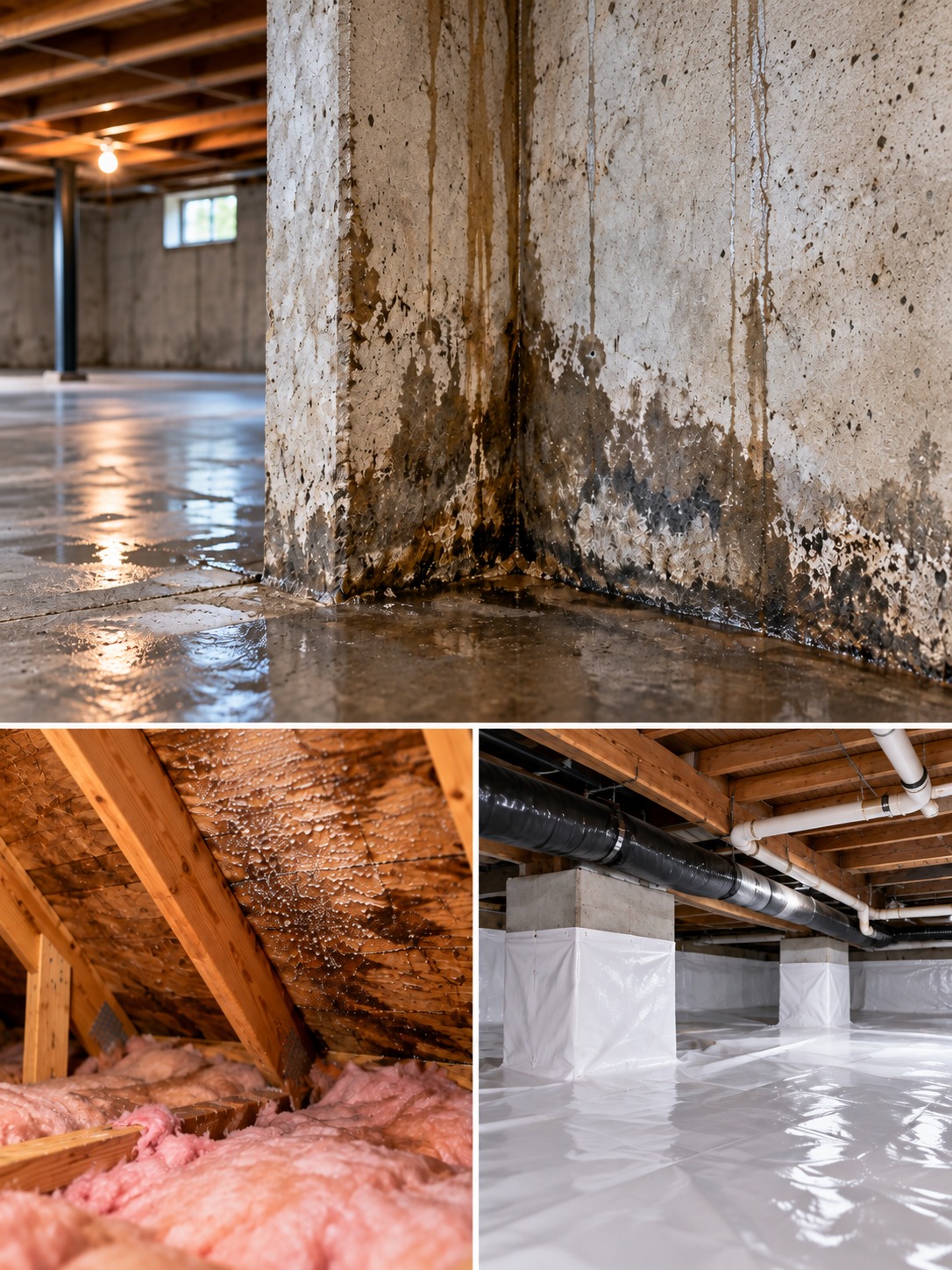
Older stone, brick, and masonry foundations, groundwater, heavy rainfall, exterior grading, and drainage conditions may contribute to basement dampness or water intrusion. Finished basement walls, flooring, insulation, and storage areas may conceal moisture that is not readily visible. Our inspections assess accessible foundation and basement conditions associated with the reported concern.
Roof, Attic & Exterior Water Intrusion
Roof valleys, dormers, chimney flashing, gutters, and exterior penetrations may allow water intrusion when defects are present. Winter ice dams can contribute to water entry near roof edges, ceilings, and exterior walls. Attic condensation and ventilation concerns may affect roof sheathing and other building materials in Reading homes.
Plumbing Leaks, Renovations & Concealed Moisture
Plumbing leaks around bathrooms, kitchens, laundry areas, and concealed piping may affect drywall, flooring, cabinetry, ceilings, and framing. Older Reading homes, renovated Colonial residences, Cape Cod houses, and properties with additions may contain layered building materials and enclosed cavities where previous water damage is difficult to recognize.
Condensation, Ventilation & Indoor Humidity
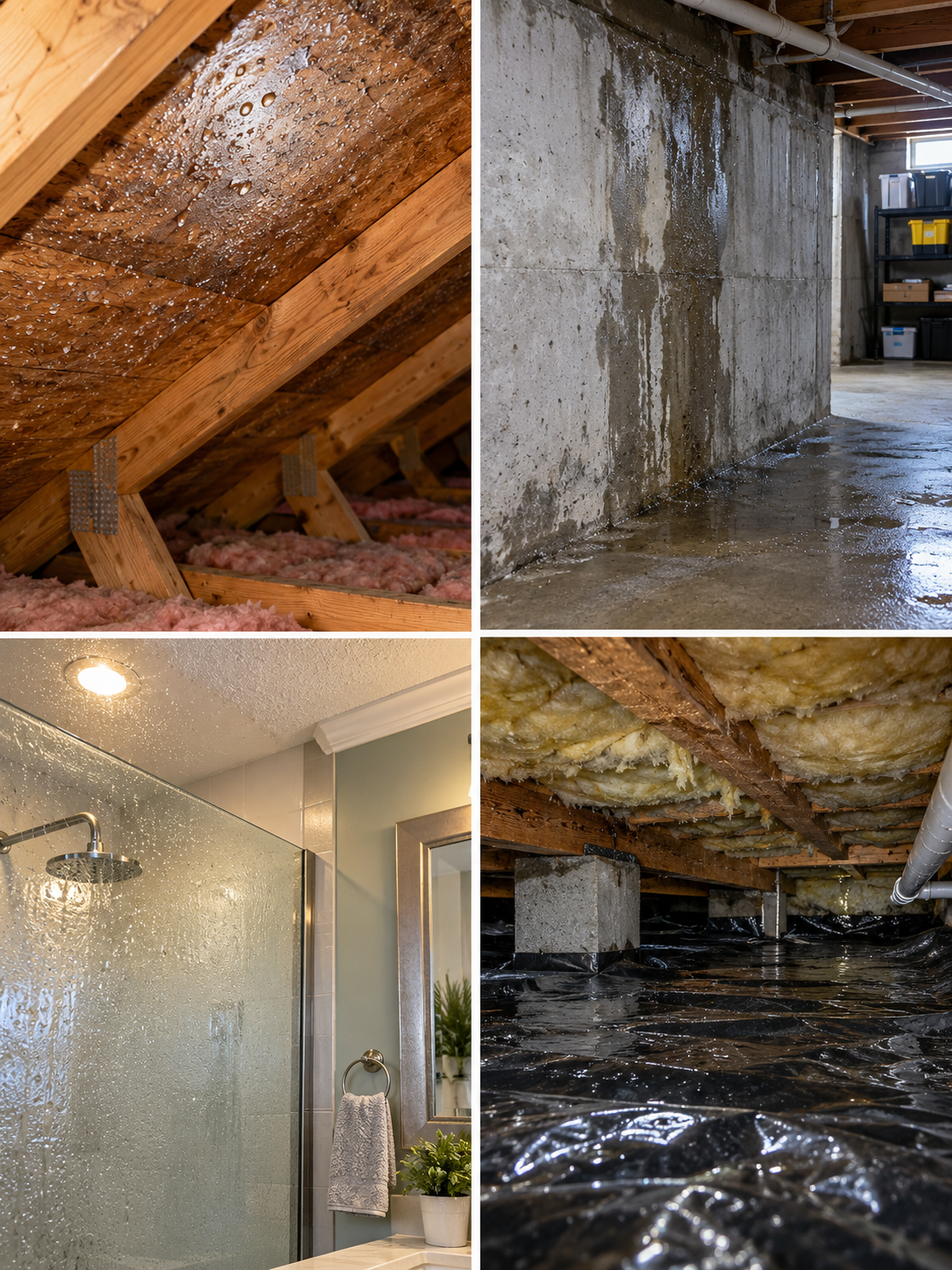
Bathrooms, kitchens, finished basements, attics, and enclosed spaces may experience elevated indoor humidity or condensation. Inadequate ventilation and repeated moisture accumulation around windows, exterior walls, insulation, and other building materials can create conditions that support mold growth.
When to Schedule a Mold Inspection in Reading, MA
A professional mold inspection can help Reading homeowners, buyers, sellers, landlords, and property managers better understand suspected mold, musty odors, previous water damage, and moisture-related concerns. Our inspections consider accessible building conditions associated with historic New England homes, Colonial-style residences, Cape Cod houses, ranches, renovated properties, condominiums, and finished basements.

Buying or Selling a Home in Reading
An independent mold inspection can provide additional information before purchasing or selling a historic New England home, Colonial-style residence, Cape Cod house, ranch, condominium, or renovated property. The inspection documents accessible mold and moisture conditions to help support informed property decisions.
Roof Leaks, Ice Dams or Exterior Water Intrusion
Roof leaks, damaged flashing, winter ice dams, window leakage, and exterior building defects can introduce moisture into attics, ceilings, exterior walls, and other building materials. Roof penetrations, gutters, dormers, and chimney flashing may warrant assessment when water damage or suspected mold is reported.
Basement Dampness or Foundation Moisture
Musty odors, foundation seepage, basement staining, elevated humidity, or recurring dampness may indicate moisture-related concerns. Older stone or masonry foundations and finished basements in Reading homes may warrant assessment of accessible building materials and moisture conditions.
Plumbing Leaks, Renovations or Hidden Water Damage
Leaks around bathrooms, kitchens, laundry areas, and concealed plumbing may affect drywall, flooring, ceilings, cabinetry, and framing. Older homes, renovated rooms, and additions may include enclosed building assemblies where previous water damage is not readily visible.
Musty Odors or Visible Staining
Persistent musty odors, discoloration, bubbling paint, stained ceilings, damaged drywall, or staining around windows and trim may indicate moisture-related conditions. Targeted mold air or surface sampling may be appropriate depending on the inspection findings.
After Mold Remediation
Independent post-remediation verification can help document conditions after mold remediation has been completed. This may include a visual assessment, moisture measurements, and air or surface sampling when appropriate.
Elite Home & Mold Inspections does not perform mold remediation. We independently evaluate accessible building conditions, document mold and moisture findings, interpret laboratory results when applicable, and provide recommendations based on the conditions identified.
How Moisture Leads to Mold Growth in Reading Homes
Mold growth is generally associated with an underlying moisture condition. In Reading homes, moisture may result from roof leaks, winter ice dams, plumbing failures, basement seepage, exterior drainage conditions, attic condensation, or elevated indoor humidity. Historic New England homes, Colonial-style residences, Cape Cod houses, ranches, renovated properties, and homes with finished basements may contain concealed building assemblies where moisture is not immediately visible. Understanding these moisture conditions helps determine appropriate inspection recommendations and whether professional mold testing may be useful.
Water Enters or Accumulates
Roof leaks, ice-dam-related water intrusion, plumbing failures, foundation seepage, condensation, and exterior drainage concerns may introduce moisture into building materials within Reading homes. These conditions can affect basements, attics, ceilings, walls, flooring, and other accessible areas.
Materials Stay Damp
Wood framing, drywall, plaster, insulation, subflooring, and other materials may retain moisture when drying is limited or water intrusion continues. Older Reading homes, particularly those with layered finishes, renovations, or enclosed wall assemblies, may contain damp building materials that are not readily visible.
Moisture Becomes Concealed
Finished basements, renovated rooms, wall cavities, ceilings, cabinetry, insulation, and flooring assemblies may conceal moisture even when visible surfaces appear dry. Our inspections assess accessible building areas and conditions associated with the suspected moisture concern.
Mold Can Begin to Develop
When suitable building materials remain damp, mold may develop on exposed surfaces or within concealed building assemblies. Musty odors, visible staining, or other signs may not become apparent until moisture has already affected the building materials.
The Moisture Source Must Be Addressed
Removing visible mold without addressing the underlying moisture condition may allow mold growth to return. Our independent mold inspections evaluate accessible building conditions, moisture patterns, and relevant areas of concern to support recommendations based on the findings. Elite Home & Mold Inspections does not perform mold remediation.
A professional mold inspection should consider more than visible mold growth. Moisture measurements, thermal imaging, visual observations, and building condition assessments help identify areas of concern and determine whether targeted mold testing is appropriate. Learn more about our moisture mapping services .
Why Reading Homeowners Choose Elite Home & Mold Inspections
Elite Home & Mold Inspections is a family-owned and operated company with over 30 years of combined experience in the construction and environmental industries. We provide independent mold inspections and mold testing throughout Reading, MA, with a focus on evaluating accessible building conditions, identifying moisture concerns, and clearly explaining our findings. Our construction and environmental experience helps us assess moisture concerns in historic New England homes, Colonial-style residences, Cape Cod houses, ranches, renovated properties, condominiums, and homes with finished basements. Because we do not perform mold remediation, our inspection findings and recommendations remain separate from remediation sales.
Independent Inspection-Only Company
We do not perform mold remediation, keeping our inspection process separate from financial interests in cleanup or remediation work.
Certified Mold Inspectors
Our inspectors assess visible mold, moisture conditions, accessible building materials, ventilation, and areas where concealed moisture or mold growth may be suspected. Testing is performed when appropriate based on inspection findings.
Experience With Reading Homes & Buildings
Our construction and environmental experience helps us evaluate moisture concerns associated with historic homes, Colonial-style residences, Cape Cod houses, older stone and masonry foundations, finished basements, attic spaces, plumbing systems, renovations, and additions throughout Reading.
Advanced Moisture Detection
Professional moisture meters and thermal imaging help assess elevated moisture, water intrusion, and building conditions that may contribute to mold growth. We evaluate accessible areas associated with roof leaks, basement seepage, plumbing leaks, and other reported concerns.
Clear Communication
We explain our observations and inspection findings so Reading homeowners, buyers, sellers, landlords, and property managers can better understand documented conditions and our recommendations.
Detailed Professional Reports
When mold sampling is performed, reports include documented findings, photographs, moisture observations, laboratory interpretation, and recommendations based on conditions identified during the inspection.
Our role is to help Reading homeowners, buyers, sellers, and property professionals understand mold and moisture concerns through independent inspections, appropriate laboratory testing, and objective reporting.
Mold Inspection Services Throughout Reading & Nearby Communities
Elite Home & Mold Inspections provides independent mold inspections and mold testing in Reading, MA for homeowners, buyers, sellers, landlords, and property managers. We inspect historic New England homes, Colonial-style residences, Cape Cod houses, ranches, renovated properties, condominiums, and homes with finished basements. Our inspections assess suspected mold, musty odors, moisture intrusion, previous water damage, plumbing leaks, and other moisture-related concerns.
Reading Neighborhoods & Areas We Serve
We provide residential mold inspections and mold testing throughout Reading, including properties in and around:
Nearby Mold Inspection Services
We also provide independent mold inspections and mold testing in nearby Greater Boston and North Shore communities.
Our Reading mold inspections focus on evaluating accessible building conditions, documenting observed mold and moisture concerns, and determining whether targeted laboratory testing is appropriate. We do not perform mold remediation, keeping our inspection findings and recommendations independent.